For the State of Washington:
The Operations SECURE (State Emergency Communications Using Radio Effectively) high frequency (HF) net (also known as CEMNET II) is a secondary emergency back-up communications capability for intra- and inter-state use.
Operating on eight discrete frequencies, point-to-point long-range communications between the state EOC and fixed or mobile HF stations can be established as needed. Currently, in addition to the state EOC, fixed HF stations are located in each Washington State Patrol (WSP) district communications center.
The HF frequencies assigned are:
2.326 MHz (Upper Sideband (USB))
2.411 MHz (USB)
2.414 MHz (USB)
2.587 MHz (USB)
2.801 MHz (USB)
5.192 MHz (USB)
7.801 MHz (USB)
7.935 MHz (USB)
Tuesday, November 28, 2006
New Clay Co NC EMS Repeater Licensed
On October 21, 2006, the FCC approved the license for a new Clay County, NC, EMS repeater. Here are the details:
Callsign WQFW517
Repeater output 151.0325 MHz
Repeater input 156.0000 MHz
Licensed on 10/21/2006 with one additional mobile only frequency of 153.9650 MHz.
More information when this system gets on the air.
Callsign WQFW517
Repeater output 151.0325 MHz
Repeater input 156.0000 MHz
Licensed on 10/21/2006 with one additional mobile only frequency of 153.9650 MHz.
More information when this system gets on the air.


New Great Smoky Mountain NP Repeater


Yesterday I discovered a new ranger dispatch repeater for the Great Smoky Mountain National Park of 169.725 MHz (P25 exclusive). The park has very recently changed over to their new P25 system.
Other P25 frequencies include: 167.150, 169.0875, 169.550, 170.5125, 171.1625 MHz.
Unit numbers heard include: 400/502/700/710.
Btown Intercepts 11-27-2006
From the Btown Monitoring Post a few interesting intercepts with the POTUS airborne for overseas.
HF Intercepts (Mode is USB unless otherwise indicated)
HF-GCS Network
11175.0 Andrews AFB, MD, working Rocco 61 who was requesting latest message traffic, Andy said no current message traffic @1625 USB. Passed last traffic at 0759Z, then said there was new traffic - EAM broadcast at 1629 told Rocco to standby for higher precedance traffic, Andy passes - 7WB7KM (28c EAM).
11175.0 Andrews @ 1634 7W7UKU 28c EAM, then Andy @ 1637 finished up with Rocco 61.
11175.0 Andrews @ 1647 7WTB6Z 28c EAM
11175.0 Offutt AFB, NE, working McClellan, CA with radio check @ 1655.
11175.0 Global NCS with an all frequency net announcement - listening watch @ 1705, including frequencies.
11175.0 Offutt working Tiger 14 (calling Mainsail) @1720.
11175.0 S4JG working Offutt @ 1726, radio check.
11175.0 Tac callword Brass? @ 1830 passing along 7WOQYZ 28c EAM.
11175.0 Andrews @ 1909 with KJORZ7 6c EAM followed by KJEKJC 6c EAM.
11175.0 S4JG radio check @ 1911 with Offutt.
11175.0 S4JG radio check @ 1926 with Andrews
UHF Intercepts
254.300 Poison 11 working ATL ARTCC (Hinch Mountain RCAG)
256.850 Milsat downlink - Unid SS males (NFM).
269.950 MilSat downlink - OM testing (NFM) around 1722 several times, possible Nighthawk activity.
276.500 Unid units air refueling established tracks – AR-216 Boomer
295.800 Unid units air refueling established tracks – AR-633A/B Boomer
363.100 Raptor 26 (F-22) w ATL ARTCC (CHA RCAG).
Poison 11 w ATL ARTCC (CHA RCAG) QSY to 254.300.
All times UTC, HF frequencies in kHz, VHF/UHF frequencies in MHz.
HF Intercepts (Mode is USB unless otherwise indicated)
HF-GCS Network
11175.0 Andrews AFB, MD, working Rocco 61 who was requesting latest message traffic, Andy said no current message traffic @1625 USB. Passed last traffic at 0759Z, then said there was new traffic - EAM broadcast at 1629 told Rocco to standby for higher precedance traffic, Andy passes - 7WB7KM (28c EAM).
11175.0 Andrews @ 1634 7W7UKU 28c EAM, then Andy @ 1637 finished up with Rocco 61.
11175.0 Andrews @ 1647 7WTB6Z 28c EAM
11175.0 Offutt AFB, NE, working McClellan, CA with radio check @ 1655.
11175.0 Global NCS with an all frequency net announcement - listening watch @ 1705, including frequencies.
11175.0 Offutt working Tiger 14 (calling Mainsail) @1720.
11175.0 S4JG working Offutt @ 1726, radio check.
11175.0 Tac callword Brass? @ 1830 passing along 7WOQYZ 28c EAM.
11175.0 Andrews @ 1909 with KJORZ7 6c EAM followed by KJEKJC 6c EAM.
11175.0 S4JG radio check @ 1911 with Offutt.
11175.0 S4JG radio check @ 1926 with Andrews
UHF Intercepts
254.300 Poison 11 working ATL ARTCC (Hinch Mountain RCAG)
256.850 Milsat downlink - Unid SS males (NFM).
269.950 MilSat downlink - OM testing (NFM) around 1722 several times, possible Nighthawk activity.
276.500 Unid units air refueling established tracks – AR-216 Boomer
295.800 Unid units air refueling established tracks – AR-633A/B Boomer
363.100 Raptor 26 (F-22) w ATL ARTCC (CHA RCAG).
Poison 11 w ATL ARTCC (CHA RCAG) QSY to 254.300.
All times UTC, HF frequencies in kHz, VHF/UHF frequencies in MHz.
Friday, November 24, 2006
Worldwide-Restricted Frequency List
Activity on the frequencies listed below is limited to the description that accompanies it. Any other usage is "TABOO." This is known within the DoD community as the "TABOO" frequency list.
Frequency (kHz)
490.0 GMDSS/METEOROLOGY AND NAVIGATION WARNINGS
500.0 GMDSS/DISTRESS AND CALLING
518.0 GMDSS/NAVTEX/METEOROLOGY AND NAVIGATION WARNINGS
2174.5 INTERNATIONAL DISTRESS/SAFETY
2182.0 INTERNATIONAL DISTRESS
2187.5 INTERNATIONAL DISTRESS/SAFETY
3023.0 INTERNATIONAL SEARCH AND ESCUE
4125.0 INTERNATIONAL DISTRESS AND SAFETY
4177.5 INTERNATIONAL DISTRESS/SAFETY
4207.5 INTERNATIONAL DISTRESS/SAFETY
4209.5 GMDSS/NAVTEX METEOROLOGY AND NAVIGATION WARNINGS
4210.0 INTERNATIONAL MARITIME NAVIGATION SAFETY
5680.0 INTERNATIONAL SEARCH AND RESCUE
6215.0 INTERNATIONAL DISTRESS AND SAFETY
6268.0 INTERNATIONAL DISTRESS/SAFETY
6312.0 INTERNATIONAL DISTRESS/SAFETY
6314.0 INTERNATIONAL MARITIME SAFETY/GMDSS
8291.0 INTERNATIONAL DISTRESS/SAFETY
8364.0 INTERNATIONAL SEARCH AND RESCUE/SURVIVAL CRAFT
8376.5 INTERNATIONAL DISTRESS/SAFETY
8414.5 INTERNATIONAL DISTRESS/SAFETY
8416.5 GMDSS/INTERNATIONAL MARITIME SAFETY
12290.0 INTERNATIONAL DISTRESS/SAFETY
12520.0 INTERNATIONAL DISTRESS/SAFETY
12577.0 INTERNATIONAL DISTRESS/SAFETY
12579.0 GMDSS/INTERNATIONAL NAVIGATION SAFETY
16420.0 INTERNATIONAL DISTRESS/SAFETY
16695.0 INTERNATIONAL DISTRESS/SAFETY
16804.5 INTL DISTRESS/SAFETY
16806.5 GMDSS/INTERNATIONAL MARITIME SAFETY
19680.5 GMDSS/INTERNATIONAL MARITIME SAFETY
22376.0 GMDSS/INTERNATIONAL MARITIME SAFETY
26100.5 GMDSS/INTERNATIONAL MARITIME SAFETY
Frequency (MHz)
121.500 INTERNATIONAL DISTRESS/AERONAUTICAL EMERGENCY
123.100 INTERNATIONAL EMERGENCY/SEARCH AND RESCUE
156.300 INTERNATIONAL SHIP/AIRCRAFT SEARCH AND RESCUE
156.525 INTERNATIONAL DISTRESS/SAFETY/GMDSS
156.650 INTERNATIONAL SAFETY OF NAVIGATION
156.800 INTERNATIONAL DISTRESS AND SAFETY
243.000 AERO EMERGENCY/INTERNATIONAL DISTRESS/SEARCH AND RESCUE
406.050 SATELLITE EPIRB
1227.600 SATELLITE GPS DOWNLINK
1544.500 SATELLITE EPIRB FEEDER LINKS
1575.420 SATELLITE GPS DOWNLINK
1646.000 SATELLITE EPIRB
Frequency (kHz)
490.0 GMDSS/METEOROLOGY AND NAVIGATION WARNINGS
500.0 GMDSS/DISTRESS AND CALLING
518.0 GMDSS/NAVTEX/METEOROLOGY AND NAVIGATION WARNINGS
2174.5 INTERNATIONAL DISTRESS/SAFETY
2182.0 INTERNATIONAL DISTRESS
2187.5 INTERNATIONAL DISTRESS/SAFETY
3023.0 INTERNATIONAL SEARCH AND ESCUE
4125.0 INTERNATIONAL DISTRESS AND SAFETY
4177.5 INTERNATIONAL DISTRESS/SAFETY
4207.5 INTERNATIONAL DISTRESS/SAFETY
4209.5 GMDSS/NAVTEX METEOROLOGY AND NAVIGATION WARNINGS
4210.0 INTERNATIONAL MARITIME NAVIGATION SAFETY
5680.0 INTERNATIONAL SEARCH AND RESCUE
6215.0 INTERNATIONAL DISTRESS AND SAFETY
6268.0 INTERNATIONAL DISTRESS/SAFETY
6312.0 INTERNATIONAL DISTRESS/SAFETY
6314.0 INTERNATIONAL MARITIME SAFETY/GMDSS
8291.0 INTERNATIONAL DISTRESS/SAFETY
8364.0 INTERNATIONAL SEARCH AND RESCUE/SURVIVAL CRAFT
8376.5 INTERNATIONAL DISTRESS/SAFETY
8414.5 INTERNATIONAL DISTRESS/SAFETY
8416.5 GMDSS/INTERNATIONAL MARITIME SAFETY
12290.0 INTERNATIONAL DISTRESS/SAFETY
12520.0 INTERNATIONAL DISTRESS/SAFETY
12577.0 INTERNATIONAL DISTRESS/SAFETY
12579.0 GMDSS/INTERNATIONAL NAVIGATION SAFETY
16420.0 INTERNATIONAL DISTRESS/SAFETY
16695.0 INTERNATIONAL DISTRESS/SAFETY
16804.5 INTL DISTRESS/SAFETY
16806.5 GMDSS/INTERNATIONAL MARITIME SAFETY
19680.5 GMDSS/INTERNATIONAL MARITIME SAFETY
22376.0 GMDSS/INTERNATIONAL MARITIME SAFETY
26100.5 GMDSS/INTERNATIONAL MARITIME SAFETY
Frequency (MHz)
121.500 INTERNATIONAL DISTRESS/AERONAUTICAL EMERGENCY
123.100 INTERNATIONAL EMERGENCY/SEARCH AND RESCUE
156.300 INTERNATIONAL SHIP/AIRCRAFT SEARCH AND RESCUE
156.525 INTERNATIONAL DISTRESS/SAFETY/GMDSS
156.650 INTERNATIONAL SAFETY OF NAVIGATION
156.800 INTERNATIONAL DISTRESS AND SAFETY
243.000 AERO EMERGENCY/INTERNATIONAL DISTRESS/SEARCH AND RESCUE
406.050 SATELLITE EPIRB
1227.600 SATELLITE GPS DOWNLINK
1544.500 SATELLITE EPIRB FEEDER LINKS
1575.420 SATELLITE GPS DOWNLINK
1646.000 SATELLITE EPIRB
CSN Frequency Change
Carl Starnes, W4EAT, manager of the Carolinas Slow (CW) Net has announced that the net has been moved to 3571 kHz in response to the FCC's pending rebanding of 80m. The CSN serves both North and South Carolina and meets nightly at 8pm, running CW at 8-10wpm. The net is a great place to get some training in CW traffic handling and you might even find your code speed creeping upwards! The net's web page is http://home.carolina.rr.com/w4eat/csn.html if you'd like mor einformation.
As a reminder, other North Carolina Section Nets include:
7:45am, 3.926MHz: Carolina Morning Net (SSB) -
6:30pm, 3.923MHz: North Carolina Evening Net (SSB) -
7:00pm, 3.573MHz: Carolinas Net - Early (CW -- 20-22 wpm) -
7:00pm, 3.908MHz: Coastal Carolina Net (SSB) -
7:30pm, 3.923MHz: Tarheel Emergency Net (ARES Net -- SSB) -
8:00pm, 3.571MHz: Carolinas Slow Net (CW, 8-10wpm) -
10:00pm, 3.573MHz: Carolinas Net -- Late (CW, 15-18wpm)
73 and Happy Thanksgiving!
Tim Slay, N4IBNC Section Manager
As a reminder, other North Carolina Section Nets include:
7:45am, 3.926MHz: Carolina Morning Net (SSB) -
6:30pm, 3.923MHz: North Carolina Evening Net (SSB) -
7:00pm, 3.573MHz: Carolinas Net - Early (CW -- 20-22 wpm) -
7:00pm, 3.908MHz: Coastal Carolina Net (SSB) -
7:30pm, 3.923MHz: Tarheel Emergency Net (ARES Net -- SSB) -
8:00pm, 3.571MHz: Carolinas Slow Net (CW, 8-10wpm) -
10:00pm, 3.573MHz: Carolinas Net -- Late (CW, 15-18wpm)
73 and Happy Thanksgiving!
Tim Slay, N4IBNC Section Manager
W1AW to change its 80-meter digital frequency
SB QST @ ARL $ARLB025
ARLB025 W1AW to change its 80-meter digital frequency
ZCZC AG25
QST de W1AW
ARRL Bulletin 25 ARLB025
From ARRL Headquarters
Newington CT November 20, 2006
To all radio amateurs
SB QST ARL ARLB025
ARLB025 W1AW to change its 80-meter digital frequency
In response to the expansion of the 75-meter phone band down to 3600 kHz, W1AW will shift its 80-meter digital bulletin frequency down to3597.5 kHz, effective Friday, December 15, 2006.
The new frequency will be in use beginning with the regularly scheduled 6 PM EST (2300 UTC) digital bulletin on Friday December 15, 2006.
The old 80-meter digital frequency (3625 kHz) has been in use forwell over two decades. The expansion of phone privileges on 75 meters (as part of Report Order, WT Docket 04-140 (FCC 06-149)) prompted the change.
A possible change in the 80-meter CW frequency is being considered.
NNNN/EX
ARLB025 W1AW to change its 80-meter digital frequency
ZCZC AG25
QST de W1AW
ARRL Bulletin 25 ARLB025
From ARRL Headquarters
Newington CT November 20, 2006
To all radio amateurs
SB QST ARL ARLB025
ARLB025 W1AW to change its 80-meter digital frequency
In response to the expansion of the 75-meter phone band down to 3600 kHz, W1AW will shift its 80-meter digital bulletin frequency down to3597.5 kHz, effective Friday, December 15, 2006.
The new frequency will be in use beginning with the regularly scheduled 6 PM EST (2300 UTC) digital bulletin on Friday December 15, 2006.
The old 80-meter digital frequency (3625 kHz) has been in use forwell over two decades. The expansion of phone privileges on 75 meters (as part of Report Order, WT Docket 04-140 (FCC 06-149)) prompted the change.
A possible change in the 80-meter CW frequency is being considered.
NNNN/EX
Omnibus" Amateur Radio Report and Order Takes Effect
SB QST @ ARL $ARLB027
ARLB027 "Omnibus" Amateur Radio Report and Order Takes Effect December 15
ZCZC AG27
QST de W1AW
ARRL Bulletin 27 ARLB027
From ARRL Headquarters
Newington CT
November 22, 2006
To all radio amateurs
SB QST ARL ARLB027
ARLB027 "Omnibus" Amateur Radio Report and Order Takes Effect December 15
With publication in the Federal Register November 15, the long-awaited changes to the amateur rules are set to take effect 30 days later, at 12:01 AM EST December 15. The so-called "Omnibus"Amateur Radio proceeding, WT Docket 04-140, includes a significant expansion of the 75 meter phone band and a variety of other changes.The highlights:
* For Amateur Extra class licensees, the 75 meter phone band will start at 3600 kHz, while Advanced class licensees start at 3700 kHz and Generals at 3800 kHz. The high end of the CW/RTTY/Digital band is now 3600 kHz (although CW is allowed on the entire band).
* On 40 meters, Amateur Extra and Advanced licensees will be ableto operate phone beginning at 7125 kHz, while Generals start at 7175kHz. The top end of the CW/RTTY/Digital band will be 7125 kHz (although CW is allowed on the entire band).
* There are no changes to the 20 meter band.
* On 15 meters, the General class phone band now starts at 21275 kHz.
* On 10 meters, Novice and Technician Plus licensees can now operate CW/RTTY/Digital from 28000 kHz to 28300 kHz.
* In addition, Novices and Tech Plus licensees can use CW only onthe same frequencies as General and Advanced licensees on the 80, 40 and 15 meter bands: 3525 kHz-3600 kHz; 7025 kHz-7125 kHz and 21025kHz-21200 kHz.
The Report & Order as published in the Federal Register clarified two items that had raised some concerns when it was first released October 10: That the 80/75 meter band split applies to all three IARU Regions, and that FCC licensees in Region 2, which includes North America, can continue to use RTTY/data emissions in the 7075-7100 kHz band. Several controversial aspects of the proceeding are still to be resolved, although the FCC is working on an erratum for the inadvertent elimination of J2D emissions of more than 500 Hz bandwidth. The Commission intends to release the erratum by the December 15 effective date.
The FCC also took several other miscellaneous actions.
NNNN/EX
ARLB027 "Omnibus" Amateur Radio Report and Order Takes Effect December 15
ZCZC AG27
QST de W1AW
ARRL Bulletin 27 ARLB027
From ARRL Headquarters
Newington CT
November 22, 2006
To all radio amateurs
SB QST ARL ARLB027
ARLB027 "Omnibus" Amateur Radio Report and Order Takes Effect December 15
With publication in the Federal Register November 15, the long-awaited changes to the amateur rules are set to take effect 30 days later, at 12:01 AM EST December 15. The so-called "Omnibus"Amateur Radio proceeding, WT Docket 04-140, includes a significant expansion of the 75 meter phone band and a variety of other changes.The highlights:
* For Amateur Extra class licensees, the 75 meter phone band will start at 3600 kHz, while Advanced class licensees start at 3700 kHz and Generals at 3800 kHz. The high end of the CW/RTTY/Digital band is now 3600 kHz (although CW is allowed on the entire band).
* On 40 meters, Amateur Extra and Advanced licensees will be ableto operate phone beginning at 7125 kHz, while Generals start at 7175kHz. The top end of the CW/RTTY/Digital band will be 7125 kHz (although CW is allowed on the entire band).
* There are no changes to the 20 meter band.
* On 15 meters, the General class phone band now starts at 21275 kHz.
* On 10 meters, Novice and Technician Plus licensees can now operate CW/RTTY/Digital from 28000 kHz to 28300 kHz.
* In addition, Novices and Tech Plus licensees can use CW only onthe same frequencies as General and Advanced licensees on the 80, 40 and 15 meter bands: 3525 kHz-3600 kHz; 7025 kHz-7125 kHz and 21025kHz-21200 kHz.
The Report & Order as published in the Federal Register clarified two items that had raised some concerns when it was first released October 10: That the 80/75 meter band split applies to all three IARU Regions, and that FCC licensees in Region 2, which includes North America, can continue to use RTTY/data emissions in the 7075-7100 kHz band. Several controversial aspects of the proceeding are still to be resolved, although the FCC is working on an erratum for the inadvertent elimination of J2D emissions of more than 500 Hz bandwidth. The Commission intends to release the erratum by the December 15 effective date.
The FCC also took several other miscellaneous actions.
NNNN/EX
Wednesday, November 22, 2006
Happy Thanksgiving to Our Military & Blog Readers

I want to wish all the men and women of our Armed Forces and their families a very Happy Thanksgiving holiday, that will be celebrated here in the US tomorrow November 23. Thank you for your service to this country.
Happy holiday also to all my Btown MP Blog readers. Unless there is major breaking news, we will be enjoying the holiday tomorrow with my family and will not be posting to the blog.
Best to all of you, 73 and good hunting,
Larry, N5FPW
Thursday, November 16, 2006
Miscellaneous HF Logs from Down Under
Here are some miscellaneous HF intercepts from our reporter down under, Mr. Eddy Waters:
4498.50 16 TONE MODE USB JAPAN MODEM
6317.50 CW-MORSE CW KODIAK RADIO NOJ
6364.00 CW-MORSE CW INDONESIA MIL P50
7039.40 CW-MORSE CW MAGADAN M
7644.20 ARQ-E3 RTTY FRENCH FORCES RFVI
7726.00 CW-MORSE CW NUMBERS STATION
7816.00 CW-MORSE CW CHINA MILITARY YZL6
7862.00 VOICE USB NUMBERS CUBA
7887.00 VOICE USB NUMBERS CUBA
8010.00 VOICE USB NUMBERS CUBA
8027.00 VOICE USB AUS NET
8140.00 VOICE AIRCRAFT USB VIRGIN OPERATIONS
8375.00 NUMBERS USB NEW STAR CHINA
8423.00 CW-MORSE CW VLADIVOSTOK RADIO UFL
10871.80 CW-MORSE CW PETROPAVLOVSK P
10990.68 16 TONE MODE USB JAPAN MODEM 16
13528.40 CW-MORSE CW MAGADAN M
16332.40 CW-MORSE CW MAGADAN M
18296.70 ARQ-E3 RTTY DJIBOUTI FR FORCES RFQP
18980.00 CW-MORSE CW INDONESIA MIL P50
20048.10 CW-MORSE CW VLADIVOSTOK F
4498.50 16 TONE MODE USB JAPAN MODEM
6317.50 CW-MORSE CW KODIAK RADIO NOJ
6364.00 CW-MORSE CW INDONESIA MIL P50
7039.40 CW-MORSE CW MAGADAN M
7644.20 ARQ-E3 RTTY FRENCH FORCES RFVI
7726.00 CW-MORSE CW NUMBERS STATION
7816.00 CW-MORSE CW CHINA MILITARY YZL6
7862.00 VOICE USB NUMBERS CUBA
7887.00 VOICE USB NUMBERS CUBA
8010.00 VOICE USB NUMBERS CUBA
8027.00 VOICE USB AUS NET
8140.00 VOICE AIRCRAFT USB VIRGIN OPERATIONS
8375.00 NUMBERS USB NEW STAR CHINA
8423.00 CW-MORSE CW VLADIVOSTOK RADIO UFL
10871.80 CW-MORSE CW PETROPAVLOVSK P
10990.68 16 TONE MODE USB JAPAN MODEM 16
13528.40 CW-MORSE CW MAGADAN M
16332.40 CW-MORSE CW MAGADAN M
18296.70 ARQ-E3 RTTY DJIBOUTI FR FORCES RFQP
18980.00 CW-MORSE CW INDONESIA MIL P50
20048.10 CW-MORSE CW VLADIVOSTOK F
Foreign Government HF Logs from Down Under
From our reporter Down Under, Mr. Eddy Waters:
Ministry of Foreign Affairs (MFA) Moscow Mode: MS5-12
4752.0 4840.0 4841.0 4860.0 5374.0 5453.0 6520.0 6682.0 6905.0 6907.0 6931.0 7062.0 7575.0 7581.0 7608.0 7735.0 7738.0 7937.0 7977.08068.5 8337.0 8443.5 8525.0 8612.0 9100.0 9144.5 9232.0 9239.5 9931.0 10129.0 10158.5 10301.0 10388.0 10428.0 10430.0 10432.5 10657.010714.0 10720.0 10728.0 10808.0 10856.0 10941.0 10976.0 10983.0 11064.0 11100.0 11128.0 11448.0 12192.0 12809.0 13060.0 13404.0 13427.013544.0 13906.0 13965.0 14600.0 14900.0 15955.0 16002.0 16941.0 16976.0 18052.0 19642.0 20333.0 20448.0
FSB Moscow Mode: CROWD-36
6780.5 8091.5 10234.5 10507.5 10530.0 13385.0 13432.0 13478.0 14108.0 14397.0 14687.0 16151.0 16282.0 18053.0 18247.0 18254.5 18272.518349.5 19232.0 20375.5
Ministry of Foreign Affairs (MFA) Pyongyang, North Korea Mode: ARQ
6758.5 18046.5 18523.5
Ministry of Foreign Affairs (MFA) Sofia, Bulgaria Mode: MFSK 8-tone
16332.5
Ministry of Foreign Affairs (MFA) Moscow Mode: MS5-12
4752.0 4840.0 4841.0 4860.0 5374.0 5453.0 6520.0 6682.0 6905.0 6907.0 6931.0 7062.0 7575.0 7581.0 7608.0 7735.0 7738.0 7937.0 7977.08068.5 8337.0 8443.5 8525.0 8612.0 9100.0 9144.5 9232.0 9239.5 9931.0 10129.0 10158.5 10301.0 10388.0 10428.0 10430.0 10432.5 10657.010714.0 10720.0 10728.0 10808.0 10856.0 10941.0 10976.0 10983.0 11064.0 11100.0 11128.0 11448.0 12192.0 12809.0 13060.0 13404.0 13427.013544.0 13906.0 13965.0 14600.0 14900.0 15955.0 16002.0 16941.0 16976.0 18052.0 19642.0 20333.0 20448.0
FSB Moscow Mode: CROWD-36
6780.5 8091.5 10234.5 10507.5 10530.0 13385.0 13432.0 13478.0 14108.0 14397.0 14687.0 16151.0 16282.0 18053.0 18247.0 18254.5 18272.518349.5 19232.0 20375.5
Ministry of Foreign Affairs (MFA) Pyongyang, North Korea Mode: ARQ
6758.5 18046.5 18523.5
Ministry of Foreign Affairs (MFA) Sofia, Bulgaria Mode: MFSK 8-tone
16332.5
Thursday, October 26, 2006
Stereo Spacecraft Launched
 There was a spectacular night launch onboard a Delta 7925 from Cape Canaveral launch pad LC17B last night (26 Oct 2006) at 0052 UTC. The rocket carried two solar science spacecraft, Stereo A (2006-47A/29510) and Stereo B (2006-47B/29511) into orbit.
STEREO's are nearly identical twin, golf cart-sized spacecraft that will make observations to help researchers construct the first-ever three-dimensional views of the sun. The images will show the star's stormy environment and its effects on the inner solar system, vital data for understanding how the sun creates space weather."
Communications package (X-Band), These are not exact freqs for each spacecraft listed below. The RF telecomm hardware on each spacecraft is identical except for their uplink and downlink frequencies. Downlink 8440 MHz, Uplink 7189 MHz, Data Format CCSDS.
You can learn more about these spacecraft and mission at
http://www.nasa.gov/mission_pages/stereo/main/index.html
Friday, October 13, 2006
HFLINK SPECIAL BULLETIN
==HFLINK SPECIAL BULLETIN==
ALE On-The-Air Week 13-23 October AOTAW-2006
"The Automatic Link Establishment International QSO Party"
START: 0001 UTC 13 October 2006
END: 2359 UTC 23 October 2006
HFLINK sponsors this new International Amateur Radio event. All ham radio operators worldwide are invited to participate in 10 days of amateur radio HF-ALE Automatic Link Establishment activity on the air. "AOTAW" is an open operating event for hams to explore ALE communications and equipment. The experience gained by operator participation is useful for HF emergency and disaster relief communications.
There are now hundreds of amateur radio operators worldwide with ALE stations. The AOTAW gives operators a chance to exercise ALE transceivers, antennas, software, systems, and operating procedures.
ALE OPERATOR CERTIFICATE for AOTAW 2006 HFLINK issues a unique ALE Operator Certificate to operators who participate in AOTAW. To qualify for an ALE Operator Certificate, the operator must initiate and complete at least 5 QSOs through Automatic Link Establishment with other ALE operators. The ALE link must then be followed by communication either by voice or texting in any mode. Additional certificate endorsements are issued by HFLINK for operators who link with 25 stations or more.
LOGS:To qualify for a certificate, please send a Date/Callsign/Frequency log of your ALE QSOs by 31 DEC 2006 via email to: aotaw2006@ yahoo.com The certificate will be returned via direct email.
OPERATING STANDARDS FOR AOTAW
All operators are reminded to be courteous and operate within the recognised Amateur Radio ALE channels and standards. Please remember, AOTAW is not a contest, there is no score. AOTAW is intended to provide a way for more operators to gain valuable practical knowledge and expertise in the operation of an Amateur Radio ALE station.
CQ - NETCALLS, ALLCALLS, ANYCALLS
1. NETCALLS: "HFL" net or "QRZ" net may be used as the general CQ calls for the event.
2. ALLCALL: SHOULD NOT BE USED in AOTAW. A QSO started by an ALLCALL does not qualify as a valid ALE link.
3. ANYCALL: Anycalls may be used. But remember, many ALE stations are not programmed to respond to Anycalls.
RECOMMENDED ALE QSO PROCEDURE AND MODES
1. Call CQ: Transmit a CALL> NETCALL to either the "HFL" net or the"QRZ" net. Wait at least 1 minute for responses.
2. Call a station: Transmit an INDIVIDUAL CALL to the station. It maybe necessary to first add the station's callsign (address) to your ALE address list.
3. Upon linking on a VOICE channel, then use USB Voice for the QSO.
4. Upon linking on a DIGITAL channel, then send a short AMD message with the linked station. 5. When QSO is completed, transmit the CLEAR LINK signal.
STANDARDS FOR DIGITAL TEXT QSO
After initial ALE link on a DIGITAL channel, use the universal short text message for ALE, called AMD. An AMD message request to the other operator can ask for other digital text keyboarding, such as:
ALE AMD: is the "universal" ALE text message system.
DTM ARQ: only by stations who are using PC-ALE or MARS-ALE software.
PSK31: (1500Hz centre) ask operator first via AMD.
Olivia: (1500Hz centre, 500/16) ask operator first via AMD.
CW: ask operator first via AMD.
ABOUT AOTAWAmateur operators who use ALE for government and non-governmental organisations may be especially interested in participation, for itprovides more chance to work with ALE linking and greater understanding of the system. It is a chance for operators to explore the various operational aspects of ALE that may not be utilised otherwise in a more structured organisation ALE network. The 10 days of AOTAW enables operators to participate as they can, for any amountof time in the event, and to experience ALE operation under various ionospheric propagation conditions. More information: HFLINK WEBSITE http://hflink.com
ALE On-The-Air Week 13-23 October AOTAW-2006
"The Automatic Link Establishment International QSO Party"
START: 0001 UTC 13 October 2006
END: 2359 UTC 23 October 2006
HFLINK sponsors this new International Amateur Radio event. All ham radio operators worldwide are invited to participate in 10 days of amateur radio HF-ALE Automatic Link Establishment activity on the air. "AOTAW" is an open operating event for hams to explore ALE communications and equipment. The experience gained by operator participation is useful for HF emergency and disaster relief communications.
There are now hundreds of amateur radio operators worldwide with ALE stations. The AOTAW gives operators a chance to exercise ALE transceivers, antennas, software, systems, and operating procedures.
ALE OPERATOR CERTIFICATE for AOTAW 2006 HFLINK issues a unique ALE Operator Certificate to operators who participate in AOTAW. To qualify for an ALE Operator Certificate, the operator must initiate and complete at least 5 QSOs through Automatic Link Establishment with other ALE operators. The ALE link must then be followed by communication either by voice or texting in any mode. Additional certificate endorsements are issued by HFLINK for operators who link with 25 stations or more.
LOGS:To qualify for a certificate, please send a Date/Callsign/Frequency log of your ALE QSOs by 31 DEC 2006 via email to: aotaw2006@ yahoo.com The certificate will be returned via direct email.
OPERATING STANDARDS FOR AOTAW
All operators are reminded to be courteous and operate within the recognised Amateur Radio ALE channels and standards. Please remember, AOTAW is not a contest, there is no score. AOTAW is intended to provide a way for more operators to gain valuable practical knowledge and expertise in the operation of an Amateur Radio ALE station.
CQ - NETCALLS, ALLCALLS, ANYCALLS
1. NETCALLS: "HFL" net or "QRZ" net may be used as the general CQ calls for the event.
2. ALLCALL: SHOULD NOT BE USED in AOTAW. A QSO started by an ALLCALL does not qualify as a valid ALE link.
3. ANYCALL: Anycalls may be used. But remember, many ALE stations are not programmed to respond to Anycalls.
RECOMMENDED ALE QSO PROCEDURE AND MODES
1. Call CQ: Transmit a CALL> NETCALL to either the "HFL" net or the"QRZ" net. Wait at least 1 minute for responses.
2. Call a station: Transmit an INDIVIDUAL CALL to the station. It maybe necessary to first add the station's callsign (address) to your ALE address list.
3. Upon linking on a VOICE channel, then use USB Voice for the QSO.
4. Upon linking on a DIGITAL channel, then send a short AMD message with the linked station. 5. When QSO is completed, transmit the CLEAR LINK signal.
STANDARDS FOR DIGITAL TEXT QSO
After initial ALE link on a DIGITAL channel, use the universal short text message for ALE, called AMD. An AMD message request to the other operator can ask for other digital text keyboarding, such as:
ALE AMD: is the "universal" ALE text message system.
DTM ARQ: only by stations who are using PC-ALE or MARS-ALE software.
PSK31: (1500Hz centre) ask operator first via AMD.
Olivia: (1500Hz centre, 500/16) ask operator first via AMD.
CW: ask operator first via AMD.
ABOUT AOTAWAmateur operators who use ALE for government and non-governmental organisations may be especially interested in participation, for itprovides more chance to work with ALE linking and greater understanding of the system. It is a chance for operators to explore the various operational aspects of ALE that may not be utilised otherwise in a more structured organisation ALE network. The 10 days of AOTAW enables operators to participate as they can, for any amountof time in the event, and to experience ALE operation under various ionospheric propagation conditions. More information: HFLINK WEBSITE http://hflink.com
Thursday, October 05, 2006
New ITU Intl Monitoring #311 Available Online

An interesting HF spectrum resource sometimes overlooked by radio hobbyist and is available for free every quarter is the ITU International Monitoring Publication. This publication has some really interesting intercepts that would interest the SW broadcast and ute DXer.
The new bulletin #311 that covers the period 1 Jul 2006 to 30 Sep 2006 (85 pages in pdf format) has been released. You can download that file at http://www.itu.int/ITU-R/terrestrial/monitoring/files/pdffiles/311.pdf
Numbers Stations Newsletter Online
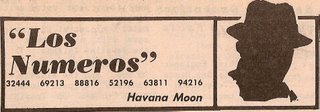 If you are interested in the shortwave numbers stations and other oddities, you will want to check out the latest Numbers and Oddities newsletter.
Numbers & Oddities #109 is now online at http://home.luna.nl/~ary. Click on the download section for this issue and archives.
Wednesday, October 04, 2006
Athens Tennessee Police to Encrypt Fulltime
Blog Editor Note: The encryption that Athens uses is a simple voice inversion scheme. While I won't point to any specifics, there are no cost and low cost capability available on the internet to decode these transmissions.
Bottom line: The Athens Police should be investigated for fraud, waste and abuse. As pointed out in the article below, this system was purchased with federal funds. This is NOT an interoperable system as the article clearly points out. So why was this department allowed to purchase a non-P25 system in this post 9/11 age with federal money?
Originally published in the Daily Post Athenian
By Jeremy Belk
Staff Writer Local News
Police scanner enthusiasts can no longer listen to the Athens Police Department now that the switch has been made to an encrypted radiocommunications system.
APD is switching its 55 portable and patrol unit radios over to an encrypted radio system, which scrambles transmissions received by police scanners and radios that do not have a special descrambling board installed inside.
Chief Chuck Ziegler said the transition to a completely encrypted system will take a few weeks to complete and get problems resolved.
Ziegler said the department is making the change because law breakers often use police scanners to monitor radio traffic as a way to avoid getting caught.
"It has become very common for criminals, such as drug dealers, meth manufacturers and burglars, to use commonly purchased radio scanners as counter surveillance," Ziegler said. "We´ve found in Athens people are able to monitor our radio traffic to determine patrol zones and what officers are on duty." [Duh!-LVH]
Ziegler described the encryption board which is being used as "like a copyright." He said no one can purchase a board to descramble APD transmissions without the department´s approval.
Scanner traffic from APD first went from normal voice transmission to a series of garbled speech and rhythmic noise starting on Sept. 11. Ziegler said he has already heard complaints from people in the community who enjoy listening to law enforcement traffic.
"The unfortunate side to this is there are a lot of people who enjoy listening to what the police department does," Ziegler said. "However, the same info is being used as counterintelligence by criminals."
Ziegler said it is amazing at the amount of people who have scanners. He said often times officers will be called to a disturbance or aparty and when they arrive nothing is happening because someone at the location had been listening to a scanner and alerted others that the police were on the way.
Secure communications, according to Ziegler, is a necessity in policework.
APD officers and dispatchers can still communicate with other agencies by switching the encryption off.
Many of the officers said the system has bugs that need to be worked out. McMinn County E-911 Director Jim Davis said the Athens Police Department using encryption will not affect county dispatchers and he supports the department´s decision to switch to an encrypted radio signal.
"The only problem we will at the E-911 dispatching is we will not be able to monitor city police traffic when they are encrypted," Davis said.
APD Patrol Capt. Rob Davis said if an APD officer needs to contact an outside agency the encryption could be turned off to use another channel on the scanner or the Athens dispatch center could contact the appropriate agency.
Davis said in the case of an emergency, such as a tornado or other natural disaster, encryption could be turned off on the radios; however, the intent is to use encryption on all radio communication.
Davis said the department has received a few complaints from citizens asking why their communications were scrambled.
Funding for the new scanners came from federal forfeiture money the city received from the White Spider prostitution sting. A local massage parlor was raided by local and federal law enforcement inconjunction with a nationwide investigation to illegal activities in massage parlors located across the country.
E-mail: jbelk@xtn.net
Bottom line: The Athens Police should be investigated for fraud, waste and abuse. As pointed out in the article below, this system was purchased with federal funds. This is NOT an interoperable system as the article clearly points out. So why was this department allowed to purchase a non-P25 system in this post 9/11 age with federal money?
Originally published in the Daily Post Athenian
By Jeremy Belk
Staff Writer Local News
Police scanner enthusiasts can no longer listen to the Athens Police Department now that the switch has been made to an encrypted radiocommunications system.
APD is switching its 55 portable and patrol unit radios over to an encrypted radio system, which scrambles transmissions received by police scanners and radios that do not have a special descrambling board installed inside.
Chief Chuck Ziegler said the transition to a completely encrypted system will take a few weeks to complete and get problems resolved.
Ziegler said the department is making the change because law breakers often use police scanners to monitor radio traffic as a way to avoid getting caught.
"It has become very common for criminals, such as drug dealers, meth manufacturers and burglars, to use commonly purchased radio scanners as counter surveillance," Ziegler said. "We´ve found in Athens people are able to monitor our radio traffic to determine patrol zones and what officers are on duty." [Duh!-LVH]
Ziegler described the encryption board which is being used as "like a copyright." He said no one can purchase a board to descramble APD transmissions without the department´s approval.
Scanner traffic from APD first went from normal voice transmission to a series of garbled speech and rhythmic noise starting on Sept. 11. Ziegler said he has already heard complaints from people in the community who enjoy listening to law enforcement traffic.
"The unfortunate side to this is there are a lot of people who enjoy listening to what the police department does," Ziegler said. "However, the same info is being used as counterintelligence by criminals."
Ziegler said it is amazing at the amount of people who have scanners. He said often times officers will be called to a disturbance or aparty and when they arrive nothing is happening because someone at the location had been listening to a scanner and alerted others that the police were on the way.
Secure communications, according to Ziegler, is a necessity in policework.
APD officers and dispatchers can still communicate with other agencies by switching the encryption off.
Many of the officers said the system has bugs that need to be worked out. McMinn County E-911 Director Jim Davis said the Athens Police Department using encryption will not affect county dispatchers and he supports the department´s decision to switch to an encrypted radio signal.
"The only problem we will at the E-911 dispatching is we will not be able to monitor city police traffic when they are encrypted," Davis said.
APD Patrol Capt. Rob Davis said if an APD officer needs to contact an outside agency the encryption could be turned off to use another channel on the scanner or the Athens dispatch center could contact the appropriate agency.
Davis said in the case of an emergency, such as a tornado or other natural disaster, encryption could be turned off on the radios; however, the intent is to use encryption on all radio communication.
Davis said the department has received a few complaints from citizens asking why their communications were scrambled.
Funding for the new scanners came from federal forfeiture money the city received from the White Spider prostitution sting. A local massage parlor was raided by local and federal law enforcement inconjunction with a nationwide investigation to illegal activities in massage parlors located across the country.
E-mail: jbelk@xtn.net
Wednesday, September 20, 2006
New ham crew/female civilian visitor heading to ISS
 The next International Space Station crew plus the first female civilian visitor to the ISS lifted off from Kazakhstan early September 18. NASA astronaut and Expedition 14 crew commander Michael Lopez-Alegria, KE5GTK, and Russian cosmonaut Mikhail Tyurin, RZ3FT, will take over for the Expedition 13 crew of astronaut Jeff Williams, KD5TVQ, and cosmonaut Pavel Vinogradov, RV3B. Along for the ride as a paying passenger aboard the Soyuz TMA-9 "taxi flight" is US business woman Anousheh Ansari, who will visit the ISS for about 10 days under a contract with the Russian Federal Space Agency.
The Soyuz rocket carrying Expedition 14 and Ansari took off from Baikonur Cosmodrome. The trio should arrive at the space station early on September 20. This will mark Tyurin's second time as a space station crew member. He was part of ISS Expedition 3 in 2001.
Remaining onboard the ISS for part of Expedition 14 will be European Space Agency astronaut Thomas Reiter, DF4TR. The Amateur Radio on the International Space Station (ARISS) program says Ansari, 39, will attempt some Amateur Radio contacts during her stay in space. A tentative schedule calls for her to speak with students at George Washington University, her alma mater, on Friday, September 22. Jeff Williams will serve as a control operator for that event. In addition, ARRL ARISS Liaison Rosalie White, K1STO, says Ansari wants to speak with US-licensed school children in random QSOs. Using the RS0ISS call sign, Ansari is expected to be on the air at various times from Thursday, September 21, until Tuesday, September 26. The worldwide downlink frequency is 145.800 MHz. The FM voice uplink is 144.490 MHz in ITU Regions 2 and 3 (the Americas and the Pacific) and 145.200 MHz in Region 1 (Europe, Central Asia and Africa). Ansari, who's standing in for Daisuke "Dice-K" Enomoto as the fourth private citizen to fly to the ISS, has been trained in use of the ARISS gear but was unable to get her license because of her accelerated training schedule.
Information above courtesy of the ARRL and Space Bulletin ARL008 bulletin from Newington.
Saturday, September 16, 2006
Hydraulic malfunction faulted in CubeSat launch failure
Hydraulic malfunction faulted in CubeSat launch failure: The commission probing the July 26 Dnepr-1LV rocket launch vehicle failure that resulted in the loss of more than a dozen CubeSats with ham radio payloads believes it knows why the vehicle didn't reach orbit.
A brief malfunction of a hydraulic drive in a first-stage propulsion unit caused a deviation in the rocket's trajectory and "the issuance of a command to abort the flight," said a news release from Kosmotras, the company responsible for the rocket's launch. Kosmotras said the cause of the hydraulic malfunction has been determined, and the committee is "working up recommendations for its rectification." Russia, meanwhile, has suspended further Dnepr-1 LV launches.
Fourteen of the tiny spacecraft that were lost carried Amateur Radio VHF or UHF beacon or telemetry transmitters. Various accounts indicated that the mission went awry less than two minutes after liftoff. The CubeSat project was a collaboration between California Polytechnic State University-San Luis Obispo and Stanford University's Space Systems Development Laboratory. All of the CubeSats were designed and built by students at various universities around the world.--some information from AMSAT News Service.
Courtesy of The ARRL Letter Vol. 25, No. 36, September 8, 2006
A brief malfunction of a hydraulic drive in a first-stage propulsion unit caused a deviation in the rocket's trajectory and "the issuance of a command to abort the flight," said a news release from Kosmotras, the company responsible for the rocket's launch. Kosmotras said the cause of the hydraulic malfunction has been determined, and the committee is "working up recommendations for its rectification." Russia, meanwhile, has suspended further Dnepr-1 LV launches.
Fourteen of the tiny spacecraft that were lost carried Amateur Radio VHF or UHF beacon or telemetry transmitters. Various accounts indicated that the mission went awry less than two minutes after liftoff. The CubeSat project was a collaboration between California Polytechnic State University-San Luis Obispo and Stanford University's Space Systems Development Laboratory. All of the CubeSats were designed and built by students at various universities around the world.--some information from AMSAT News Service.
Courtesy of The ARRL Letter Vol. 25, No. 36, September 8, 2006
Broadcasters urged to end "Battle on Ham Bands"
IARU, MEMBER-SOCIETIES WANT BROADCASTERS TO END "BATTLE ON THE HAM BANDS"
As the so-called "Firedragon" jammer continues to transmit in one or more Amateur Radio bands, the International Amateur Radio Union (IARU) and three of its Region 3 member-societies so far have appealed to the jammer's target to move elsewhere. The Firedragon's all-music transmissions from thePeople's Republic of China (PRC) appear aimed at blocking the much-weaker broadcasts of the clandestine "Sound of Hope" (SOH), located outside the PRC.
Responding via e-mail September 5 to an inquiry from IARU Region 1 Monitoring System (IARUMS) Vice Coordinator Uli Bihlmayer, DJ9KR, the SOH said its supporters use various avenues "including Amateur Radio frequencies" to get their message into the PRC.
"Through our investigation, we learned that the transmissions of SOH programs through Amateur Radio frequencies come from areas around China, and they each only target a local area of China with very low power, only for the intended audience and would interfere with nobody else," said SOH's Yue Chen. Yue addressed the reply to "All Amateur Radio Community Members" and indicated it was copied to the International Telecommunication Union (ITU), although no ITU addressee was displayed. Yue encouraged the Amateur Radiocommunity to "openly urge the Chinese government to stop this outrageous act of radio jamming" and to urge the ITU to take action as well.
Wireless Institute of Australia (WIA) Director Glenn Dunstan, VK4DU, told the Sound of Hope via e-mail this week that if it wants the support of the international community, it should move its transmissions into legitimate broadcasting spectrum."There is more than enough radio spectrum for you to use outside of the Amateur Radio bands," Dunstan said September 5. "You are in breach ofinternational radio regulations."
A similar reaction came September 6 from Amateur Radio Society of India (ARSI) Monitoring System Coordinator B.L. Manohar Arasu, VU2UR, who pointed the finger at both the Sound of Hope and the Firedragon music jammer. "We, the Indian Amateur Radio operators, condemn both of you for using Amateur Radio frequencies," he said. "Please leave the frequencies clear at the earliest." Arasu suggested the jamming not only was bother some to every day hamming but could cause problems for emergency communication by radio amateurs.
New Zealand Association of Radio Transmitters (NZART) Monitoring Service Coordinator Len Martinson, ZL1BYA, e-mailed the Sound of Hope September 6 to say its "illegal broadcast transmissions" were causing unlawful and harmfuli nterference to the legal occupants of the Amateur Radio bands in question."Your transmissions are also attracting the attention of jamming stations,which is increasing the interference to unacceptable levels," he said."Please cease transmissions in the exclusive amateur bands immediately."
Writing SOH on behalf of the IARU, Secretary David Sumner, K1ZZ, asked the clandestine broadcaster to be more careful in its selection of transmitting frequencies. "Your operations in the 14 and 18 MHz bands have caused serious interference to the amateur radio service, which is allocated these bands (14.000-14.350 and 18.068-18.168 MHz) for two-way amateur radiocommunication," Sumner wrote. "Please do not operate in these or any other amateur radio bands.
"Bihlmayer said September 6 that the Firedragon was back on 14.050 MHz -- a part of the 20-meter band allocated to the Amateur Radio Service on an exclusive basis worldwide -- after spending two days on 14.400 MHz. Over the past several months, the jammer also has been heard on 10.135 MHz, 14.260MHz, 18.080 MHz and 18.160 MHz.The music jammer takes apparent monitoring breaks on the hour. When the jammer's carrier is off, Bihlmayer, who lives in Southern Germany, says he's heard a weak carrier on 14.050 MHz broadcasting a Chinese program that included speech.
ARRL Monitoring System/Intruder Watch Liaison Chuck Skolaut, K0BOG, says he's been able to hear the jammer from W1AW. In July, when the same jammer also was appearing on 18.160 MHz, Bihlmayer alerted telecom authorities in Germany and Hong Kong, as well as IARU Region 3 and the PRC embassy in Berlin to the situation. The 17-meter band also is a worldwide exclusive Amateur Radio allocation. Skolaut says he's received reports about the music jammer from all over the US, including Alaska, Hawaii and Puerto Rico.
Courtesy of The ARRL Letter Vol. 25, No. 36, September 8, 2006
As the so-called "Firedragon" jammer continues to transmit in one or more Amateur Radio bands, the International Amateur Radio Union (IARU) and three of its Region 3 member-societies so far have appealed to the jammer's target to move elsewhere. The Firedragon's all-music transmissions from thePeople's Republic of China (PRC) appear aimed at blocking the much-weaker broadcasts of the clandestine "Sound of Hope" (SOH), located outside the PRC.
Responding via e-mail September 5 to an inquiry from IARU Region 1 Monitoring System (IARUMS) Vice Coordinator Uli Bihlmayer, DJ9KR, the SOH said its supporters use various avenues "including Amateur Radio frequencies" to get their message into the PRC.
"Through our investigation, we learned that the transmissions of SOH programs through Amateur Radio frequencies come from areas around China, and they each only target a local area of China with very low power, only for the intended audience and would interfere with nobody else," said SOH's Yue Chen. Yue addressed the reply to "All Amateur Radio Community Members" and indicated it was copied to the International Telecommunication Union (ITU), although no ITU addressee was displayed. Yue encouraged the Amateur Radiocommunity to "openly urge the Chinese government to stop this outrageous act of radio jamming" and to urge the ITU to take action as well.
Wireless Institute of Australia (WIA) Director Glenn Dunstan, VK4DU, told the Sound of Hope via e-mail this week that if it wants the support of the international community, it should move its transmissions into legitimate broadcasting spectrum."There is more than enough radio spectrum for you to use outside of the Amateur Radio bands," Dunstan said September 5. "You are in breach ofinternational radio regulations."
A similar reaction came September 6 from Amateur Radio Society of India (ARSI) Monitoring System Coordinator B.L. Manohar Arasu, VU2UR, who pointed the finger at both the Sound of Hope and the Firedragon music jammer. "We, the Indian Amateur Radio operators, condemn both of you for using Amateur Radio frequencies," he said. "Please leave the frequencies clear at the earliest." Arasu suggested the jamming not only was bother some to every day hamming but could cause problems for emergency communication by radio amateurs.
New Zealand Association of Radio Transmitters (NZART) Monitoring Service Coordinator Len Martinson, ZL1BYA, e-mailed the Sound of Hope September 6 to say its "illegal broadcast transmissions" were causing unlawful and harmfuli nterference to the legal occupants of the Amateur Radio bands in question."Your transmissions are also attracting the attention of jamming stations,which is increasing the interference to unacceptable levels," he said."Please cease transmissions in the exclusive amateur bands immediately."
Writing SOH on behalf of the IARU, Secretary David Sumner, K1ZZ, asked the clandestine broadcaster to be more careful in its selection of transmitting frequencies. "Your operations in the 14 and 18 MHz bands have caused serious interference to the amateur radio service, which is allocated these bands (14.000-14.350 and 18.068-18.168 MHz) for two-way amateur radiocommunication," Sumner wrote. "Please do not operate in these or any other amateur radio bands.
"Bihlmayer said September 6 that the Firedragon was back on 14.050 MHz -- a part of the 20-meter band allocated to the Amateur Radio Service on an exclusive basis worldwide -- after spending two days on 14.400 MHz. Over the past several months, the jammer also has been heard on 10.135 MHz, 14.260MHz, 18.080 MHz and 18.160 MHz.The music jammer takes apparent monitoring breaks on the hour. When the jammer's carrier is off, Bihlmayer, who lives in Southern Germany, says he's heard a weak carrier on 14.050 MHz broadcasting a Chinese program that included speech.
ARRL Monitoring System/Intruder Watch Liaison Chuck Skolaut, K0BOG, says he's been able to hear the jammer from W1AW. In July, when the same jammer also was appearing on 18.160 MHz, Bihlmayer alerted telecom authorities in Germany and Hong Kong, as well as IARU Region 3 and the PRC embassy in Berlin to the situation. The 17-meter band also is a worldwide exclusive Amateur Radio allocation. Skolaut says he's received reports about the music jammer from all over the US, including Alaska, Hawaii and Puerto Rico.
Courtesy of The ARRL Letter Vol. 25, No. 36, September 8, 2006
1st Interop Emergency Comm Service Unveiled
Nation's First Interoperable Emergency Communications Service Unveiled in Texas by Local, State and Federal Officials
Federal, state and local officials today heralded the implementation of a fully interoperable communications service at Dallas Love Field that for the first time allows police, fire, Federal agencies, private industry and airport personnel to communicate with each other over their existing networks and equipment. The Dallas Love Field Wireless Integration Project is the result of a unique public-private partnership that gives the Dallas region the first interoperable network in the nation that utilizes secure voice, video and data communications for emergency response and critical infrastructure management.
"While the essential roles and responsibilities of our nation's first responders and governments on all levels has been highlighted significantly in the wake of 9/11, Hurricane Katrina and countless other tragedies throughout the country, the vast majority of the police, fire and EMS personnel who serve as our frontline of defense still do not have one of the most basic resources they need to do their jobs: namely the ability to communicate easily and securely with one another," said Mark Tucker, chief executive officer and co-founder of CoCo Communications. "Today, however, I am pleased to be here in Texas, joined by an extraordinary group of people representing a cross-section of local, state and Federal agencies who have worked in partnership to successfully address this challenge and establish the nation's first interoperable and secure emergency communications service."
The State of Texas, the City of Dallas, the Texas Congressional Delegation, the North Central Texas Council of Governments and the U.S. Department of Homeland Security (DHS) recognized the ongoing interoperability challenges and joined forces with CoCo Communications to implement a service that met the needs of first responders and the budget realities of local, state and Federal agencies and departments. Using funds from DHS, the Project was initiated with the goal of implementing the communications framework for a national interoperability service model that could be cost effectively duplicated throughout the State of Texas and nationally.
The system that was ultimately approved and deployed is based on CoCo Communications' software, known as the CoCo Protocol, which 'rides' on top of existing network infrastructures, dramatically extending the return on investment in legacy devices and networks, while eliminating communication breakdowns created by systems that simply do not 'talk' with each other because of differing frequencies or operating systems. This makes two-way radios compatible with other radios and commonly deployed devices including cellular phones, laptops and PDAs by creating a common interface that can be shared by all available resources. The result is a comprehensive interoperable network that is easy and affordable to implement and expand as needed. Additionally, the service allows for efficient use of fixed network resources such as spectrum. Instead of loading networks with devices that deplete the networks' operating capacity, CoCo's software creates a "mesh" architecture in which every device that accesses the network adds to the network, with each device acting as its own router.
This service also allows for unprecedented management and control capabilities, integrating command center and on-the-ground activities among Dallas Love Field, the City of Dallas and Southwest Airlines personnel, as well as State of Texas and Federal officials and workers. Users securely access the service from end-user device interfaces, such as laptops or PDAs, where people can view video feeds and a customized information "ticker." At the same time, they are able to converse with their colleagues to share critical information during emergency situations or for normal day-to-day activities.
Current users and participants of the program include:
* City of Dallas Police, Fire and Aviation Departments;
* The State of Texas Departments of Public Safety and Health;
* The U.S. Department of Homeland Security
* U.S. Transportation Security Administration
* U.S. Department of Health and Human Services;
* Centers for Disease Control and Prevention;
* U.S. Customs and Border Protection; and
* Southwest Airlines.
You can learn more about the system at http://www.cococorp.com/.
Federal, state and local officials today heralded the implementation of a fully interoperable communications service at Dallas Love Field that for the first time allows police, fire, Federal agencies, private industry and airport personnel to communicate with each other over their existing networks and equipment. The Dallas Love Field Wireless Integration Project is the result of a unique public-private partnership that gives the Dallas region the first interoperable network in the nation that utilizes secure voice, video and data communications for emergency response and critical infrastructure management.
"While the essential roles and responsibilities of our nation's first responders and governments on all levels has been highlighted significantly in the wake of 9/11, Hurricane Katrina and countless other tragedies throughout the country, the vast majority of the police, fire and EMS personnel who serve as our frontline of defense still do not have one of the most basic resources they need to do their jobs: namely the ability to communicate easily and securely with one another," said Mark Tucker, chief executive officer and co-founder of CoCo Communications. "Today, however, I am pleased to be here in Texas, joined by an extraordinary group of people representing a cross-section of local, state and Federal agencies who have worked in partnership to successfully address this challenge and establish the nation's first interoperable and secure emergency communications service."
The State of Texas, the City of Dallas, the Texas Congressional Delegation, the North Central Texas Council of Governments and the U.S. Department of Homeland Security (DHS) recognized the ongoing interoperability challenges and joined forces with CoCo Communications to implement a service that met the needs of first responders and the budget realities of local, state and Federal agencies and departments. Using funds from DHS, the Project was initiated with the goal of implementing the communications framework for a national interoperability service model that could be cost effectively duplicated throughout the State of Texas and nationally.
The system that was ultimately approved and deployed is based on CoCo Communications' software, known as the CoCo Protocol, which 'rides' on top of existing network infrastructures, dramatically extending the return on investment in legacy devices and networks, while eliminating communication breakdowns created by systems that simply do not 'talk' with each other because of differing frequencies or operating systems. This makes two-way radios compatible with other radios and commonly deployed devices including cellular phones, laptops and PDAs by creating a common interface that can be shared by all available resources. The result is a comprehensive interoperable network that is easy and affordable to implement and expand as needed. Additionally, the service allows for efficient use of fixed network resources such as spectrum. Instead of loading networks with devices that deplete the networks' operating capacity, CoCo's software creates a "mesh" architecture in which every device that accesses the network adds to the network, with each device acting as its own router.
This service also allows for unprecedented management and control capabilities, integrating command center and on-the-ground activities among Dallas Love Field, the City of Dallas and Southwest Airlines personnel, as well as State of Texas and Federal officials and workers. Users securely access the service from end-user device interfaces, such as laptops or PDAs, where people can view video feeds and a customized information "ticker." At the same time, they are able to converse with their colleagues to share critical information during emergency situations or for normal day-to-day activities.
Current users and participants of the program include:
* City of Dallas Police, Fire and Aviation Departments;
* The State of Texas Departments of Public Safety and Health;
* The U.S. Department of Homeland Security
* U.S. Transportation Security Administration
* U.S. Department of Health and Human Services;
* Centers for Disease Control and Prevention;
* U.S. Customs and Border Protection; and
* Southwest Airlines.
You can learn more about the system at http://www.cococorp.com/.
Subscribe to:
Posts (Atom)